BEO version chaos
Menu revisions, guarantee updates, and service style changes live in email—production pulls from yesterday's BEO while the captain executes today's.

Banquet Operations — Execution
Banquet buyers fear the service moment—when plated timing, staffing, and batch readiness must land together. MiseCentral adapts to how your banquet kitchen actually runs—from BEO draft and count lock through production, staging, service waves, replenishment, and strike. Plated, buffet, station, and cocktail reception execution on one platform—not venue ownership. Execution Without Surprises.

The ballroom seats 420 for plated service at 7 PM. The BEO guarantee locked at 380 yesterday—but registration walk-ins pushed final count to 445. The expediter's fire times were built for 380, hot holding is short on protein, and the captain just learned Table 14 has two nut allergies not on the seating chart. Saturday's wedding reception shares the same banquet kitchen Sunday morning. When BEO, production, and service each run on separate binders, the pass backs up, replenishment misses the buffet station, and the event manager learns about the count variance from the client—not Company Brain.
Operational Challenges
These are BEO execution realities—not software gaps. Banquet kitchens run on count accuracy, pass timing, and service waves—not venue room inventory alone.
Menu revisions, guarantee updates, and service style changes live in email—production pulls from yesterday's BEO while the captain executes today's.
BEO says 380; final count says 445—batch sheets sized to guarantee and hot holding short when walk-ins arrive.
Expediter, captain, and kitchen out of sync—first course fires late and every subsequent wave compresses speeches and dessert.
Station depletes during peak rush—kitchen learns from the floor, not from a replenishment signal tied to BEO portions.
Seating-chart-driven dietary meals need distinct plating paths—tickets don't match the approved matrix at the pass.
Protein held past window while salads wait—batch readiness scattered across kitchen stations without one service countdown.
Cocktail reception, buffet opening, and plated entrée each need distinct staffing—schedules built for one service style.
Ballroom flip between lunch and dinner events—banquet production for Event B starts before Event A strike completes.
28 servers needed, roster shows 22—captain discovers gap at pre-shift, not during BEO staffing review.
Chafers, plate warmers, and banquet carts not staged before doors—service starts with equipment still in storeroom.
Breakdown runs long, compressing next event prep—strike checklist disconnected from room-turn window.
Owner learns banquet food cost spiked from the monthly review—not when protein yield exceeded the locked BEO.
Banquet Lifecycle
The operational journey of banquet execution—and how the platform keeps kitchen, service, and BEO synchronized to the event timeline. Unlike Event Venues in Hospitality, which covers venue ownership and room inventory, banquet operations focuses on catering production, BEO execution, and service timing—the food side of the event. For full-stack vendor orchestration across festivals and integrated productions, see Event Production.
Plated, buffet, stations, or cocktail reception—guest range, venue access windows, and equipment needs scoped before BEO drafting. Venue owners managing the building belong in Event Venues or Conference Centers; your team owns food production and service execution.
Execution Without Surprises starts with a booking your banquet kitchen can produce at count.
Menu outline, service style by phase, rental pull needs, and captain assignment—one operational record sales, kitchen, and service trust before menu lock.
Catering & Events carries BEO-style records—not a generic event checklist in email.
Approved courses, dietary accommodations, and presentation standards—substitutions after lock trigger review workflow, not verbal OKs from the client.
Recipes and batch yields follow through every locked menu—not just the client-facing PDF.
Guarantee plus approved walk-in policy—final headcount triggers batch authorization and server roster before prep pull. Company Brain flags events with historical count overrun for your venue type.
Unlike Corporate Catering drop-off rhythm, banquet execution lives or dies on seated count accuracy.
Protein batches, cold prep, and dessert platters—batch sheets prioritized by fire times and service style, not kitchen convenience alone. Executive chef sees completion against captain's service countdown.
Production capacity shared across Saturday gala and Sunday brunch—visibility before you overcommit.
Component prep, sauce production, and dietary meal paths—prep lists generated from count-lock BEO, not last event's template. Allergen labeling verified before staging authorization.
Prep and Quality follow through every dietary ticket—not just standard covers.
Chafers, plate warmers, banquet carts, and pass trays—staging checklist verified against BEO equipment pull before doors open. Room-turn windows from the venue inform staging start; venue setup is Hospitality—your staging is production readiness.
Batch-to-service readiness is where execution identity is proven—or lost.
Cocktail passed apps, buffet opening, plated entrée, and dessert—fire times, pass timing, and captain cues on one timeline. Expediter and banquet captain share the same BEO-driven countdown.
Scheduling aligns servers to service waves—not generic shift start alone.
Station signals trigger kitchen batches—buffet peaks and passed-app restocks sized to remaining service window, not guesswork from the floor.
Replenishment is production discipline—not an afterthought when the station runs dry.
Equipment retrieval, waste reconciliation, and kitchen breakdown—strike checklist tied to room-turn window for the next event. Captain confirms venue handoff before kitchen releases staff.
Tomorrow's luncheon starts with how cleanly tonight's strike executed.
Event P&L, guarantee-vs-actual, pass timing variance, and staffing accuracy—owner reviews revenue, food cost, and service metrics in one rollup. Company Brain highlights count variance and replenishment gaps before the next gala—not after the client feedback form.
Your business data stays yours—operational intelligence grounded in your banquet book.
Core Capabilities
Turn on what you need today. Add production depth, scheduling intelligence, and reporting as your banquet book grows—without starting over.
Batch sheets sized to locked count—production timed to fire times, hot holding, and service waves.
Learn More →BEO-driven prep lists—mise, sauces, and dietary paths from count-lock authorization.
Learn More →Captains, servers, bartenders, and kitchen runners aligned to cocktail, buffet, and plated waves.
Learn More →Allergen labeling, portion compliance, and temp custody from prep through pass.
Learn More →Event-specific purchasing tied to locked BEO—protein and produce orders from final count.
Learn More →Event margin, guarantee variance, labor, and service timing—by event and banquet kitchen.
Learn More →Operational intelligence across count variance, pass delays, replenishment gaps, and margin trends.
Learn More →Batch yields and plating specs from approved menu—consistent execution event to event.
Learn More →Banquet operations run on BEO discipline—not a restaurant ticket queue. Catering & Events carries menu locks, guarantee counts, seating-driven dietary matrix, service style by phase, equipment pull sheets, fire times, and captain timelines in one record your sales, kitchen, and floor trust. Plated entrée, buffet station, cocktail reception, and dessert wave each attach to the same event—with staffing rosters and replenishment triggers per service segment. It connects what the client approved at menu lock to what production pulls at 2 PM and what the expediter fires at first course. Production and Scheduling read from the same BEO; Quality tracks allergens through every plate. Company Brain recommends batch buffers when historical galas at this venue overrun walk-ins by 8%”always with the why. Reporting closes the loop for owners who need guarantee accuracy and pass timing in every post-event review.
Learn More →Operational Models
Banquet kitchens combine plated, buffet, station, and cocktail models—often in one event. MiseCentral composes around all of them at once.
One kitchen may run a Friday gala plated dinner, Saturday wedding buffet, and Sunday corporate brunch”all in one weekend. The platform adapts to each model without separate systems.
Workspace Examples
One Business Profile creates the workspace each person needs—from owner to banquet manager, expediter, and captain.
Company Brain
Company Brain learns from your real banquet book—count variance, pass timing, replenishment patterns, staffing gaps, and event margin. It recommends; your team decides. Every suggestion includes the why. It's Not Artificial. It's Adaptive.
 Company Brain
Growth Journey
From your first banquet kitchen to a national catering brand—MiseCentral stays with you. Business Review suggests what to enable at each stage, and always explains why.
One platform. No migration. Your team keeps the workflows they already trust.
Business Review notices BEOs scattered across email and suggests Catering & Events with Production”count-lock batch sheets for every event.
When weekend event volume multiplies, Review recommends Scheduling depth and Quality standards—pass timing and allergen routing compared event to event.
Hotel, venue, and off-premise banquets under one brand? Review guides Company Brain event intelligence and Reporting”margin and BEO accuracy across markets.
Banquet plus Corporate Catering, Wedding Catering, and Hospitality venue partnerships? Review connects BEO execution with B2B and celebration work—same platform, full book visibility.
Industry Ecosystem
Banquet execution intersects hospitality venues, corporate events, and wedding celebrations—cross-link where operations overlap without duplicating venue-owner workflows.
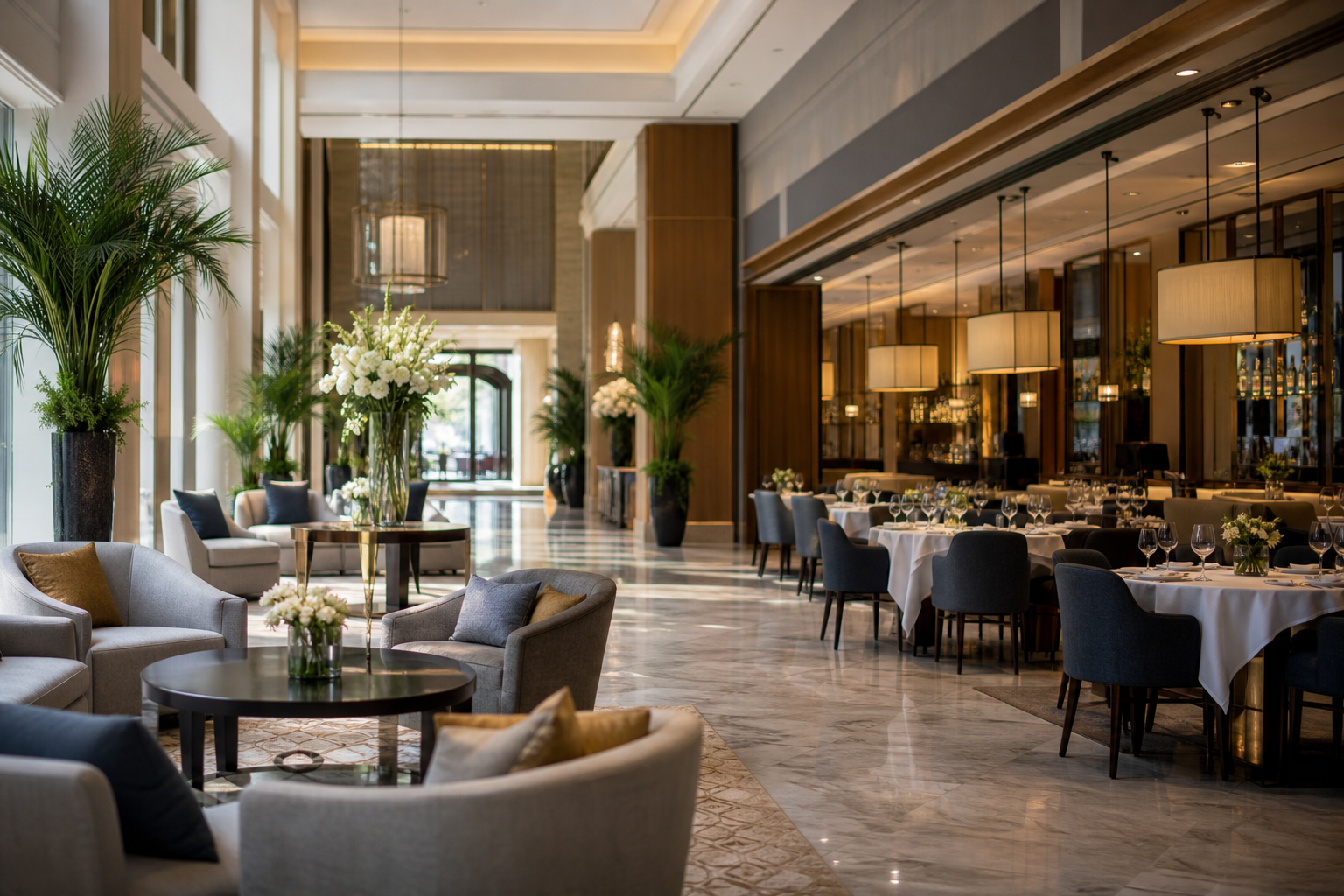
Venue owners operate the room—setup, vendor windows, and guest flow. Banquet operations owns food production, BEO execution, and service timing at those venues.
Event Venues →
Delegate dining and gala banquets at conference properties—venue-owner operations in Hospitality; your team executes the BEO when catering the food.
Conference Centers →
Conference galas and executive plated dinners overlap B2B banquet rhythm—shared BEO discipline and production standards.
Corporate Catering →
Banquet operations is one group in the Catering vertical—explore wedding, social, institutional, and production catering on the hub.
Catering Hub →Catering Family
See how MiseCentral adapts to your BEO book, your banquet kitchen, and where your event execution is headed next.
Catering Hub Corporate Catering Event Venues Capabilities Contact
