Discovery scope vs. proposal promise
Client brief in one deck, operational scope in another—production commits to staffing and rentals the kitchen team never validated.

Event Production — Coordination
Production clients fear the gap between vendors—when food, rentals, crew, and logistics must arrive as one promise. MiseCentral adapts to how full-service event production actually runs—from client discovery and proposal coordination through vendor management, kitchen production, transportation, command center operations, live execution, breakdown, and closeout. Not banquet kitchen BEO execution alone. Not venue ownership. Orchestration of every operational discipline across the event. Every Event Ready.

Friday's corporate experience opens at 6 PM—rentals confirmed chafing fuel delivery at 4, but the kitchen production schedule still shows protein batch completion at 4:45. Staffing roster lists 18 crew; the client contract requires 24 for VIP hospitality zones. Transportation for mobile kitchen units is staged for Gate B while venue access moved to Gate C after the security briefing. The command center runs three radio channels because catering, rentals, and logistics each track the timeline in separate documents. When the keynote runs long, buffet opening compresses, contingency plans live in someone's notebook, and the client learns about the gap from a guest—not Company Brain.
Operational Challenges
These are full-stack production realities—not software gaps. Event production runs on vendor orchestration, timeline discipline, and command center visibility—not kitchen pass timing alone.
Client brief in one deck, operational scope in another—production commits to staffing and rentals the kitchen team never validated.
Catering, AV, rentals, and transportation each on separate timelines—no single operational record the command center trusts.
Chafers, tents, and serving equipment lists revised after load-out—missing items discovered at venue setup.
Contract requires 24 crew; roster shows 18—producer discovers gap at pre-event briefing, not during planning.
Keynote overruns compress buffet open—production schedule built for program A, live execution running program B.
Gate changes, dock assignments, and load-in windows updated by venue—logistics plan still references prior site map.
Kitchen, floor, rentals, and client liaison on different channels—decision latency when live execution shifts.
Producer cannot see rental delivery status, kitchen completion, and staffing check-in in one live dashboard.
Weather, program delay, and equipment failure playbooks exist—but not tied to the operational timeline or crew assignments.
VIP hospitality, public F&B, and backstage catering share one venue—resource conflicts surface mid-event.
Strike runs long, compressing rental retrieval and transport—closeout checklist disconnected from venue departure window.
Owner learns production margin eroded from vendor overtime and rental overages weeks later—not at closeout.
Event Production Lifecycle
The operational journey of event production—and how the platform keeps vendors, production, logistics, and live teams synchronized to one client promise. Unlike Banquet Operations, which centers kitchen and BEO execution, event production orchestrates catering, rentals, staffing, transportation, equipment, and command center operations as one integrated operation.
Festival footprint, corporate experience, concert hospitality, trade show F&B, or multi-day conference—guest flow, VIP zones, and production scope documented before proposal work begins. Venue ownership stays in Hospitality when the client operates the property; production owns integrated delivery.
Every Event Ready starts with a brief production can actually orchestrate—not a slide deck alone.
One operational story in the bid—kitchen capacity, crew roster, rental manifest, and transport plan validated before client sign-off. Margin and contingency built into scope, not discovered at load-in.
Catering & Events engagement records anchor proposal scope—not disconnected vendor quotes.
Load-in, production milestones, program cues, service windows, and strike—master schedule shared by kitchen, rentals, staffing, and client liaison. Multi-day conferences and destination events carry day-by-day resource plans.
Scheduling aligns crew and production to program milestones—not static shift blocks alone.
Rental delivery windows, subcontractor call times, and client vendor access—coordination tasks tied to master timeline with escalation paths. AV, florals, and security changes propagate to catering and logistics automatically.
Production clients fear the gap between vendors—coordination is the product, not the catering menu alone.
Commissary and on-site kitchen batch sheets for public concessions, VIP hospitality, backstage catering, and sponsor activations—production completion gates logistics release. Unlike Banquet Operations single-ballroom BEO focus, production kitchens serve multiple zones and service styles simultaneously.
Production and Prep completion gates load-out—not kitchen convenience alone.
Mobile kitchens, refrigeration, rental trucks, and catering load-out—transport sequenced against venue access windows and setup priorities. Gate assignments and dock schedules attached to each vehicle manifest.
Logistics connects production completion to on-site readiness—not generic fleet tracking disconnected from event scope.
Producer, logistics lead, kitchen lead, and client liaison share one command view—rental delivery status, staffing check-in, production readiness, and program clock. Contingency triggers pre-loaded for weather, program delay, and equipment failure.
Command center operations are production discipline—not a banquet expediter pass alone.
Keynote overruns, VIP arrival changes, and concession surge—command center pushes timeline updates to kitchen, floor, and rentals in one action. Multi-team communication tied to master clock, not separate radio silos.
Quality and service standards follow through live execution—not just pre-event planning.
Equipment retrieval, waste segregation, rental manifest verification, and transport departure—strike checklist tied to venue departure window and client closeout requirements.
Tomorrow's festival load-in starts with how cleanly tonight's breakdown executed.
Rental overages, subcontractor invoices, labor overtime, and consumable variance—closeout before margin review drifts. Client sign-off tied to deliverables checklist from proposal scope.
Reporting your ownership and clients trust—by event, zone, and vendor.
Timeline accuracy, vendor performance, margin, and client satisfaction—owner reviews production P&L in one rollup. Company Brain highlights events with repeated program compression or rental misses before the next festival season.
Your business data stays yours—operational intelligence grounded in your production history.
Core Capabilities
Turn on what you need today. Add multi-market reporting, vendor depth, and command center tooling as your production book grows—without starting over.
Zone-specific prep lists from master event scope—public, VIP, and backstage F&B sized to program timing.
Learn More →Batch production across commissary and on-site kitchens—completion gates logistics and service release.
Learn More →Crew, kitchen, and vendor call times aligned to master timeline and program milestones.
Learn More →Food safety, presentation standards, and temp custody across every F&B zone on the event.
Learn More →Rental pars, consumables, and production stock—variance tied to event closeout.
Learn More →Event P&L, vendor performance, labor overtime, and margin by production and market.
Learn More →Multi-market festivals and touring productions—standards and reporting compared city to city.
Learn More →Operational intelligence across timeline drift, vendor gaps, contingency triggers, and margin trends.
Learn More →Event production runs on one operational story—not vendor silos. Catering & Events holds each production as a single engagement record: discovery brief, proposal scope, master timeline, rental manifest, staffing roster, kitchen production plan, logistics sequence, command center checkpoints, and closeout checklist for festivals, corporate experiences, concert hospitality, trade shows, and multi-day conferences. It connects who approved VIP hospitality scope on Monday, which rentals must arrive before kitchen load-out on Thursday, who runs command center when the keynote overruns, and who signs closeout when the venue clears Saturday night. Production and Prep feed every F&B zone; Scheduling aligns crew across catering, floor, and vendor partners. Multi-Location rollups compare festival execution market to market for touring production brands. Company Brain recommends contingency buffers when historical program delays compress buffet openings—and explains why before you rebid. Reporting closes the loop for owners who need integrated production margin—not banquet BEO accuracy alone.
Learn More →Operational Models
Production companies combine festivals, corporate experiences, sporting events, and destination conferences. MiseCentral composes around all of them at once.
One company may produce a three-day festival, a corporate product launch, and stadium hospitality in the same month”all on one platform.
Workspace Examples
One Business Profile creates the workspace each person needs—from owner to producer, logistics, kitchen, and command center leadership.
Company Brain
Company Brain learns from your real production operation—timeline drift, vendor performance, staffing gaps, contingency usage, and event margin. It recommends; your team decides. Every suggestion includes the why. It's Not Artificial. It's Adaptive.
 Company Brain
Growth Journey
From your first integrated production to a national event brand—MiseCentral stays with you. Business Review suggests what to enable at each stage, and always explains why.
One platform. No migration. Your team keeps the workflows they already trust.
Business Review notices vendor timelines in separate tools and suggests Catering & Events master records with Scheduling”one timeline every team executes.
When production runs across markets, Review recommends Multi-Location rollups and command center standards—execution compared city to city.
Corporate experiences plus stadium and festival work? Review guides Company Brain contingency intelligence and Reporting”margin and vendor performance across the portfolio.
Production plus Banquet Operations and Conference Centers? Review connects integrated production with venue and kitchen execution—same platform, portfolio visibility without duplicating venue-owner workflows.
Industry Ecosystem
Event production intersects banquet kitchens, hospitality venues, and mobile execution—cross-link where operations overlap without duplicating venue-owner or single-BEO workflows.

Ballroom BEO and pass timing differ from full-stack production—banquet runs kitchen execution; production orchestrates every vendor discipline across the event.
Banquet Operations →
B2B account programs differ from integrated production bids—corporate runs recurring client relationships; production runs discovery-to-closeout orchestration.
Corporate Catering →
Food trucks and festival units may be one production component—mobile runs fleet discipline; production runs master timeline and command center across all vendors.
Mobile Catering →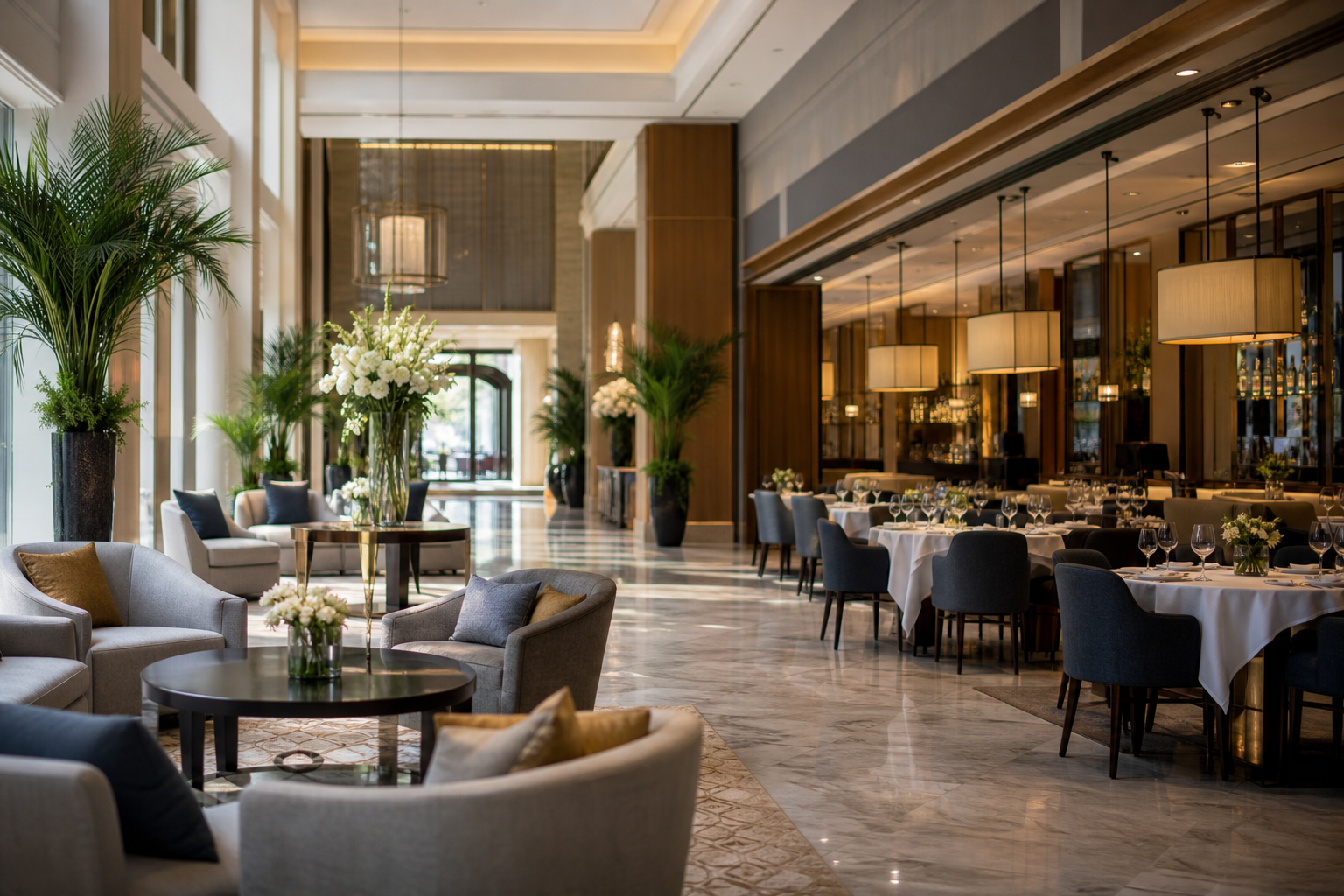
Venue owners operate the property—delegate flow, room inventory, and vendor windows. Production companies deliver integrated F&B and logistics at those venues.
Conference Centers →Catering Family
See how MiseCentral adapts to your productions, your vendors, and where your event book is headed next.
Catering Hub Banquet Operations Corporate Catering Capabilities Contact
