Recurring program complexity
Monday“Friday lunch routes, rotating menus, and account-specific pricing—each client expects consistency while your kitchen juggles one-off events on the same production line.

Corporate Catering — Coordination
Corporate clients don't forgive late drop-offs, wrong counts, or missing dietary flags. MiseCentral adapts to how your team actually runs B2B catering—from RFP and recurring lunch programs to conference support, executive meetings, and multi-stop delivery. Planning, production, logistics, and account management on one platform. Every Detail Delivered.

TechCorp needs 180 boxed lunches by 11:30 AM across three buildings. Meridian Holdings added 24 executives to tomorrow's boardroom dinner. The conference center BEO guarantee just jumped from 400 to 520 delegates—and your production kitchen is already committed to a hospital gala pull. When sales, production, logistics, and billing each run on separate spreadsheets, order cutoffs slip, allergen labels miss the truck, and account managers learn about margin erosion from the client's AP department—not Company Brain.
Operational Challenges
These are B2B catering realities—not software gaps. Corporate programs run on guarantees, cutoffs, and on-time departure—not restaurant covers alone.
Monday“Friday lunch routes, rotating menus, and account-specific pricing—each client expects consistency while your kitchen juggles one-off events on the same production line.
Client orders arrive until 9 PM for next-day service—production planning built on yesterday's count, not tonight's final numbers.
Conference BEO says 400; registration says 520—kitchen prepped for guarantee and drop-off stations sized for the wrong headcount.
Executive lunch needs 8 gluten-free, 4 vegan, 2 nut-free—labels and packing sheets don't match the client approval document.
Four corporate campuses, six drop-offs, staggered service windows—one late departure compresses every stop behind it.
180 boxes, 12 menu variations, building-specific instructions—loading discovers mislabeled trays at the client loading dock.
Menu changes, guarantee updates, and billing adjustments need sign-off—versions live in email threads, not one operational record.
Three-day conference with breakfast, breaks, lunch, and reception—BEO timelines overlap recurring program production without shared capacity visibility.
Drop-off team and on-site service crew run separate checklists—client sees setup incomplete because logistics and events weren't on one timeline.
Guarantee-plus consumption billing, PO numbers, and cost centers—margin review happens weeks after service when adjustments are already disputed.
Boardroom plated service at 12:00 sharp—production pull timed to kitchen convenience, not client agenda.
Owner learns food cost spiked on the TechCorp account from the quarterly review—not when protein orders exceeded the approved menu.
Corporate Catering Lifecycle
The operational journey of corporate catering—and how the platform keeps sales, production, logistics, and billing synchronized to client commitments.
Menu pricing, staffing model, service style, and guarantee structure—client-facing commitments that production and logistics must execute without reinterpretation. Account managers carry approved menus and pricing into the platform before the first order cutoff.
Every Detail Delivered starts with a proposal your kitchen can actually produce.
Contract signed, deposit received, PO on file—recurring programs and one-off conferences enter the same operational calendar. Client approvals and account hierarchy visible to production before prep begins.
Catering & Events carries BEO-style records for staffed events—not a separate CRM spreadsheet.
Guarantee counts, allergen matrix, and client-approved substitutions—executive meetings and conference BEOs share the same dietary rigor. Production planning sized to final numbers, not last week's average.
Unlike Wedding Catering, corporate rhythm favors accuracy and repeatability over single-occasion emotion.
Recurring program orders close at 9 PM; conference additions stop at noon the day prior—batch sheets and purchasing triggered from final counts, not estimates. Company Brain flags accounts that consistently order after cutoff.
Prep lists generated from cutoff-confirmed orders—not yesterday's template.
Morning production for 180 boxed lunches, conference break trays, and executive boardroom plating—batch sheets prioritized by departure time, not kitchen convenience. Executive chef sees completion against route schedule.
Production capacity shared across recurring and event work—one kitchen, full visibility.
Hot/cold separation, allergen flags, building codes, and client-specific instructions—packing accuracy verified before loading authorization. Mislabeled trays caught in the kitchen, not at the client dock.
Quality standards follow through packing—not just service.
Truck bays sequenced by departure window—load sheets checked against BEO and program orders. Logistics coordinator authorizes departure only when loading accuracy hits threshold.
Loading accuracy is where coordination identity is proven—or lost.
Staggered route departures for multi-campus days—traffic buffers and temperature custody tracked from the dock. One late truck compresses every downstream stop and erodes account trust.
Corporate clients measure you on the window—not the recipe.
Buffet layout, chafing setup, and conference break stations—staffed events coordinate with logistics arrival windows. For venue-hosted conferences, cross-link to Conference Centers and Event Venues in Hospitality when the client owns the room.
Setup complete before the client's meeting starts—not when catering arrives.
Drop-off placement, executive plated timing, and conference break replenishment—event manager sees service status and staffing against BEO. Training events and boardroom dinners share operational discipline.
Scheduling aligns service staff to client agenda—not generic shift blocks.
Chafing retrieval, waste reconciliation, and equipment return—staffed events strike on schedule so the venue handoff stays clean. Client site restored before facilities complains.
Tomorrow's recurring route starts with how well today's pickup executed.
Event P&L, guarantee-vs-actual reconciliation, and account margin—owner reviews revenue, food cost, labor, and loading accuracy in one rollup. Company Brain highlights cutoff patterns and route delays before the next RFP—not after AP disputes the invoice.
Your business data stays yours—operational intelligence grounded in your workflows.
Core Capabilities
Turn on what you need today. Add route logistics, multi-account reporting, and production depth as your B2B book grows—without starting over.
BEO execution, conference support, executive meetings, and staffed corporate events—tied to client guarantees and approval workflows.
Learn More →Batch sheets across recurring programs and one-off events—production timed to departure windows, not kitchen convenience.
Learn More →Order-cutoff-driven prep lists—boxed lunches, break trays, and plated executive service from confirmed counts.
Learn More →Production crews, route drivers, and on-site service staff aligned to client windows and multi-stop days.
Learn More →Event-specific purchasing and program pars—protein orders tied to approved menus and guarantee changes.
Learn More →Account margin, route performance, production completion, and revenue your ownership trusts—by client and event.
Learn More →Operational intelligence across cutoff patterns, loading accuracy, route delays, and margin trends—with evidence before you act.
Learn More →Compare commissaries and regional operations—same B2B standards, same route metrics, different markets.
Learn More →Corporate catering runs on routes—not a single dock and done. Delivery & Logistics coordinates staggered departures, multi-campus drop-offs, temperature custody, and loading authorization across recurring meal programs and conference surges. It connects who packs at 8 AM, which truck leaves at 10:15 for TechCorp Building C, and who sets the executive boardroom before the 12:00 gavel. Catering & Events BEOs inform route priority; Production completion gates loading release. Quality and allergen labeling follow every box to the client site. Company Brain recommends route buffers when historical traffic patterns threaten the 11:30 service window—and explains why before you add a second truck. Reporting closes the loop for account managers who need on-time departure and loading accuracy in every client QBR.
Learn More →Operational Models
Corporate caterers combine drop-off programs, staffed events, and recurring routes. MiseCentral composes around all of them at once.
One operator may run a weekday lunch program, a Thursday boardroom dinner, and a three-day conference”all in the same week. The platform adapts to each model without separate systems.
Workspace Examples
One Business Profile creates the workspace each person needs—from owner to account manager, production, and logistics.
Company Brain
Company Brain learns from your real B2B operation—cutoff patterns, loading accuracy, route performance, guarantee variance, and account margin. It recommends; your team decides. Every suggestion includes the why. It's Not Artificial. It's Adaptive.
 Company Brain
Growth Journey
From your first corporate account to a national B2B catering brand—MiseCentral stays with you. Business Review suggests what to enable at each stage, and always explains why.
One platform. No migration. Your team keeps the workflows they already trust.
Business Review notices recurring programs running on spreadsheets per account and suggests Catering & Events with Prep”cutoff-driven production for every client.
When route days multiply across markets, Review recommends Delivery & Logistics and Multi-Location”departure and margin compared commissary to commissary.
Enterprise accounts with conference surges? Review guides Production depth and Company Brain account intelligence—not separate systems per region.
Catering plus hotels and venues? Review connects corporate B2B with Hospitality banquet operations—same platform, portfolio visibility.
Industry Ecosystem
Corporate catering intersects restaurants, hospitality venues, and production kitchens—cross-link where your clients and operations overlap.

Corporate catering is one group in the Catering vertical—explore wedding, social, institutional, and production catering on the hub.
Catering Hub →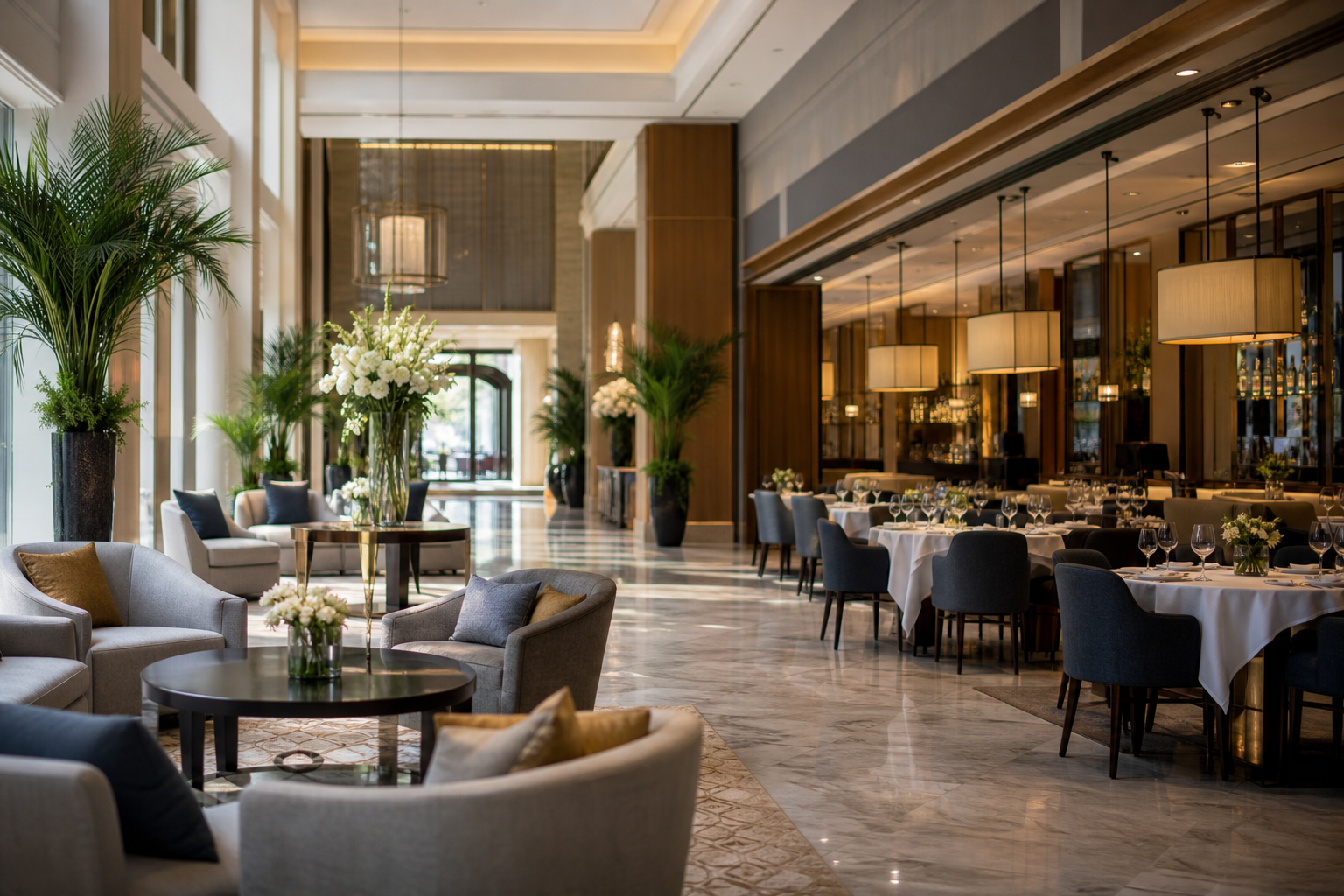
When clients host at their venue—not yours—cross-link to venue-owner operations. Caterers at venues stay in Catering; venue owners are Hospitality.
Conference Centers — Event Venues — Hotels
Explore Hospitality →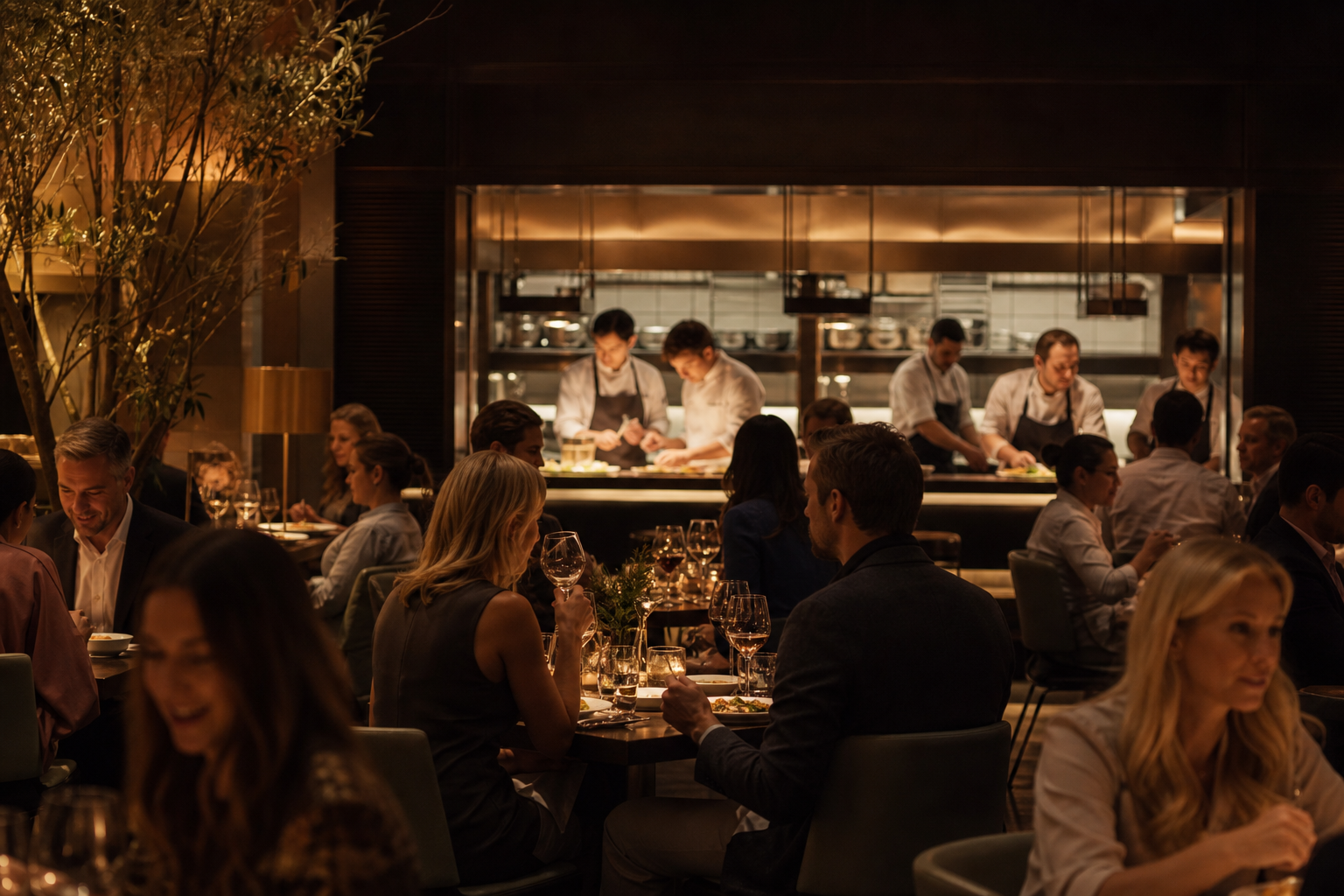
Restaurant groups adding corporate catering—prep and inventory connected to dine-in operations without a separate system.
Explore Restaurants →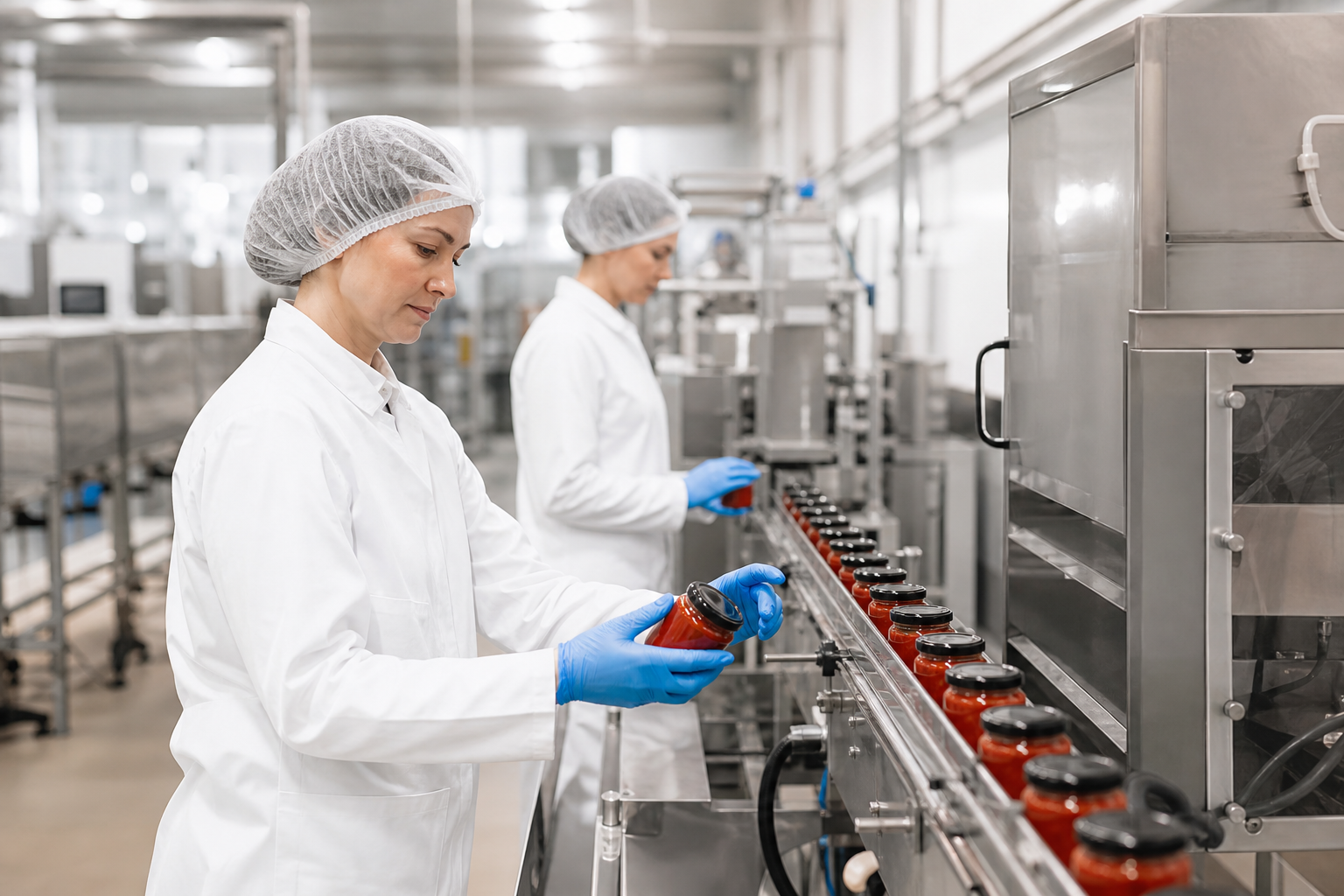
Central commissaries feeding multi-account corporate programs—batch governance, lot release, and traceability at scale. Corporate catering executes client promises; commissaries govern production throughput.
Commissaries →Catering Family
See how MiseCentral adapts to your accounts, your production kitchen, and where your B2B book is headed next.
