Bake schedule vs actual daypart demand
Pars built from last year's template; empty display at 3 PM while overbake waits in back.

In-Store Bakeries — Freshness
Bake schedule, par planning, proofing, display, cake orders, packaging, and labels—governed sell-through at the retail case, not neighborhood café service or snack plant manufacturing. MiseCentral adapts to how your in-store bakery actually runs: plan, proof, bake, cool, merchandise, sell, and replenish before shrink becomes the story. Baked for the Case.

Friday 5 AM: today's par sheet still reflects last week's weather, two cake orders lack pickup labels, and the artisan display window has gaps while overbake accumulates in the back. The bake crew finished on schedule—but daypart demand shifted when the school calendar changed. A restaurant baker runs ticket-to-table; a snack plant runs SKU lot release. Your team bakes for the case with shrink measured in display hours, not check averages or pallet codes. When bake schedule, display pars, and label discipline live in disconnected tools, giveaway and empty windows compound before the bakery director sees a trend.
Operational Challenges
These are governed retail bakery realities—not software gaps. In-store bakeries run on bake timing, display freshness, and daypart replenishment—not restaurant ticket flow or plant throughput alone.
Pars built from last year's template; empty display at 3 PM while overbake waits in back.
Multiple SKUs compete for rack space—schedule conflicts invisible until the proofer is double-booked.
Display looks full; backend product past optimal sell-through window unnoticed.
Pickup time, inscription, and allergen decoration captured on paper—label mismatches at release.
Best-by labels applied at pack; hold window exceeded before product hits the case.
Markdown discipline reactive; waste logged at close without tie to morning par decision.
Second bake authorized late; morning product gone by lunch without afternoon pull scheduled.
Flour and dairy lots logged informally—traceability breaks when customer asks allergen origin.
Ad features dinner rolls; batch size holds flat when foot traffic forecast missed school event.
Nut-free cake decorated after nut product—changeover not tied to work order sequence.
Retail Lifecycle
The operational journey from par planning to display sell-through—and how the platform keeps bake schedule, proofing, merchandising, cake orders, and shrink review synchronized. Unlike Restaurant Bakery, which centers ticket-to-table and café service, in-store bakery governs case display and daypart replenishment. Unlike Snack & Bakery Manufacturers, which govern plant lot release, retail bakery centers bake-to-display freshness at supermarket scale.
Display pars by SKU, daypart, and promo flag—planning uses trailing sell-through and weather-adjusted foot traffic, not static weekly templates.
Cake order queue and custom decoration load visible before oven schedule locks.
Baked for the Case starts with pars the display can actually sell—not yesterday's guess carried forward.
Flour, dairy, and decoration supplies logged with lot codes—allergen changes block bake authorization until recipe version confirms.
Short shipments trigger par adjustment before proofer loads, not silent display gaps at open.
Inventory connects receiving to bake authorization—not backroom counts divorced from today's schedule.
Proofer load tied to oven schedule—conflicts surface before dough hits the rack, not when the oven queue stalls.
Scheduling aligns crew to proof-to-oven handoff windows.
Proof discipline separates retail bakery from Snack & Bakery Manufacturers line throughput.
Work orders, oven load, and in-process checks—baker sees batch progress against morning display target.
Production locks recipe version at bake start; scale factors applied from approved formulation.
Bake runs serve the case—not restaurant ticket expedite or plant SKU release.
Cool-down timers and pack authorization—best-by labels generated at hold completion, not when product already aged on the rack.
Packaged bread and roll programs labeled before backroom staging.
Quality gates case stocking—hold windows enforced before display.
Case layout, rotation order, and day-old markdown triggers—display reflects what this morning's bake actually produced.
Empty facings flagged against par before daypart peak; replenishment bake authorized from sell-through velocity.
Display freshness is the retail bakery scorecard—not table turnover.
Pickup time, inscription, allergen decoration, and photo reference verified before release—orders blocked when label scan mismatches specification.
Decoration queue sequenced against walk-in counter demand and oven availability.
Custom cake retail differs from Restaurant Bakery dessert service—pickup discipline and label accuracy govern release.
Afternoon velocity compared to morning forecast—second bake sized from live sell-through, not static par sheet.
Markdown on day-olds tied to shrink target; display rotation before product exceeds optimal window.
Reporting connects sell-through to tomorrow's par—not POS export alone.
Waste by SKU, bake batch, and daypart—patterns visible before weekly director review.
Company Brain surfaces when the same roll SKU overbakes three consecutive weekends without par reduction.
Shrink review feeds the next par plan—continuous loop, not month-end surprise.
Second oven line, expanded cake program, or multi-store bake standard—Business Review suggests production depth, scheduling intelligence, and display analytics with evidence.
Your business data stays yours—operational intelligence grounded in your bake schedule and case sell-through.
Display readiness is proven across dayparts—not heroics when foot traffic shifts mid-week.
Core Capabilities
Turn on what you need today. Add cake order discipline, multi-store bake standards, and Company Brain shrink intelligence as your bakery program grows—without starting over.
Batch salads, sides, and value-added prep tied to case pars and party tray demand—not back-of-house prep divorced from sell-through.
Learn More →Case pars, backroom on-hand, and sell-through windows—replenishment driven by display discipline, not warehouse counts.
Learn More →Temp custody, rotation alerts, and food safety records tied to case and counter—not binders reconstructed at audit.
Learn More →Daypart crew, bake windows, and counter coverage aligned to peak sell-through—not static weekly templates.
Learn More →Versioned formulations for salads, batters, and counter products—ingredient changes propagate to labels and case signage.
Learn More →Shrink, sell-through, and margin by department, daypart, and SKU—directors see patterns before month-end surprise.
Learn More →Guidance as you add departments, stores, and programs—what to enable next, always with an explanation why.
Learn More →Operational intelligence across shrink, rotation, and replenishment—with evidence before your team acts.
Learn More →In-store bakeries run on governed bake execution—not restaurant ticket flow or plant line throughput alone. Production carries bake schedule authorization, oven load sequencing, proof-to-bake handoff, batch yield tracking, and replenishment triggers tied to display pars. It connects what par planning authorized to what the proofer loaded, what QA cleared at cool-down, and what the display case merchandises for sell-through. Bake sizes flex from trailing sell-through and promo flags; overbake triggers shrink review before product hits markdown. Recipes version formulation changes that propagate to labels and allergen declarations. Scheduling aligns bakers to daypart peaks; Inventory allocates ingredient lots before oven load. Quality gates hold windows at cool and pack. Company Brain recommends par reductions when dinner roll overbake rises six points over three Fridays after school calendar shift—and explains why before the next bake plan. Reporting closes the loop for directors who need display shrink and bake efficiency in every review.
Learn More →Operational Models
In-store bakery operators combine artisan display, packaged bread, custom cake, and daypart roll programs. MiseCentral composes around all of them at once.
One store may run artisan morning display, afternoon roll replenishment, and weekend cake pickup—all on one bake schedule. The platform adapts to each model without separate systems per daypart.
Workspace Examples
One Business Profile creates the workspace each person needs—from owner to bakery manager, head baker, cake decorator, QA, and operations director.
Company Brain
Company Brain learns from your real bakery operation—overbake patterns, display gaps, cake order accuracy, and par drift. It recommends; your team decides. Every suggestion includes the why. It's Not Artificial. It's Adaptive.™
 Company Brain
Growth Journey
From your first display case to a multi-store bakery standard—MiseCentral stays with you. Business Review suggests what to enable at each stage, and always explains why.
One platform. No migration. Your team keeps the workflows they already trust.
Business Review notices pickup label errors and suggests Production with Quality—decoration and release tied to order specification before customer arrival.
When deli and bakery share ingredient receiving, Review recommends Inventory lot discipline—ingredient changes visible across departments before bake authorization.
Second district online? Review guides Scheduling par templates and Company Brain overbake intelligence across stores—not isolated bake sheets per location.
Bakery plus deli and prepared foods? Review connects governed retail departments—explore Restaurant Bakery for café crossover and Snack & Bakery Manufacturers for plant supply boundaries.
Industry Ecosystem
In-store bakery intersects restaurant café service, plant manufacturing, and retail prepared foods—cross-link where your supply and customer paths overlap without duplicating ticket or lot-release workflows.

Neighborhood café and ticket-to-table bakery service—restaurant bakery optimizes check flow and table dessert; in-store bakery governs display pars and daypart replenishment at supermarket scale.
Restaurant Bakery →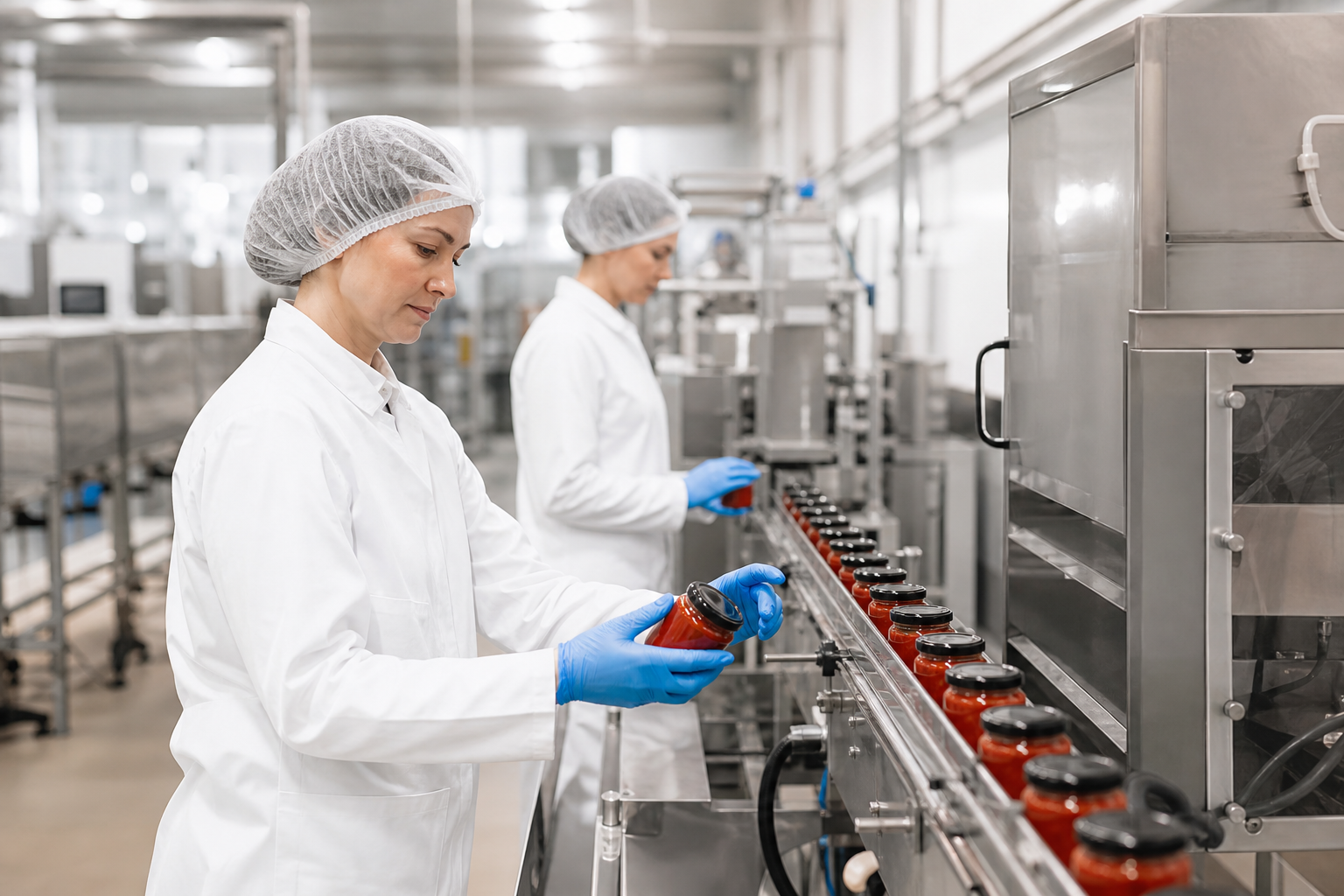
Plant manufacturing and SKU lot release—snack bakery governs line throughput and distributor shipment; in-store bakery governs bake-to-display freshness and retail shrink.
Snack & Bakery Manufacturers →
Sweet case merchandising and short shelf-life display—bread bakery governs oven schedule; pastry retail governs celebration-ready presentation.
Dessert & Pastry Retail →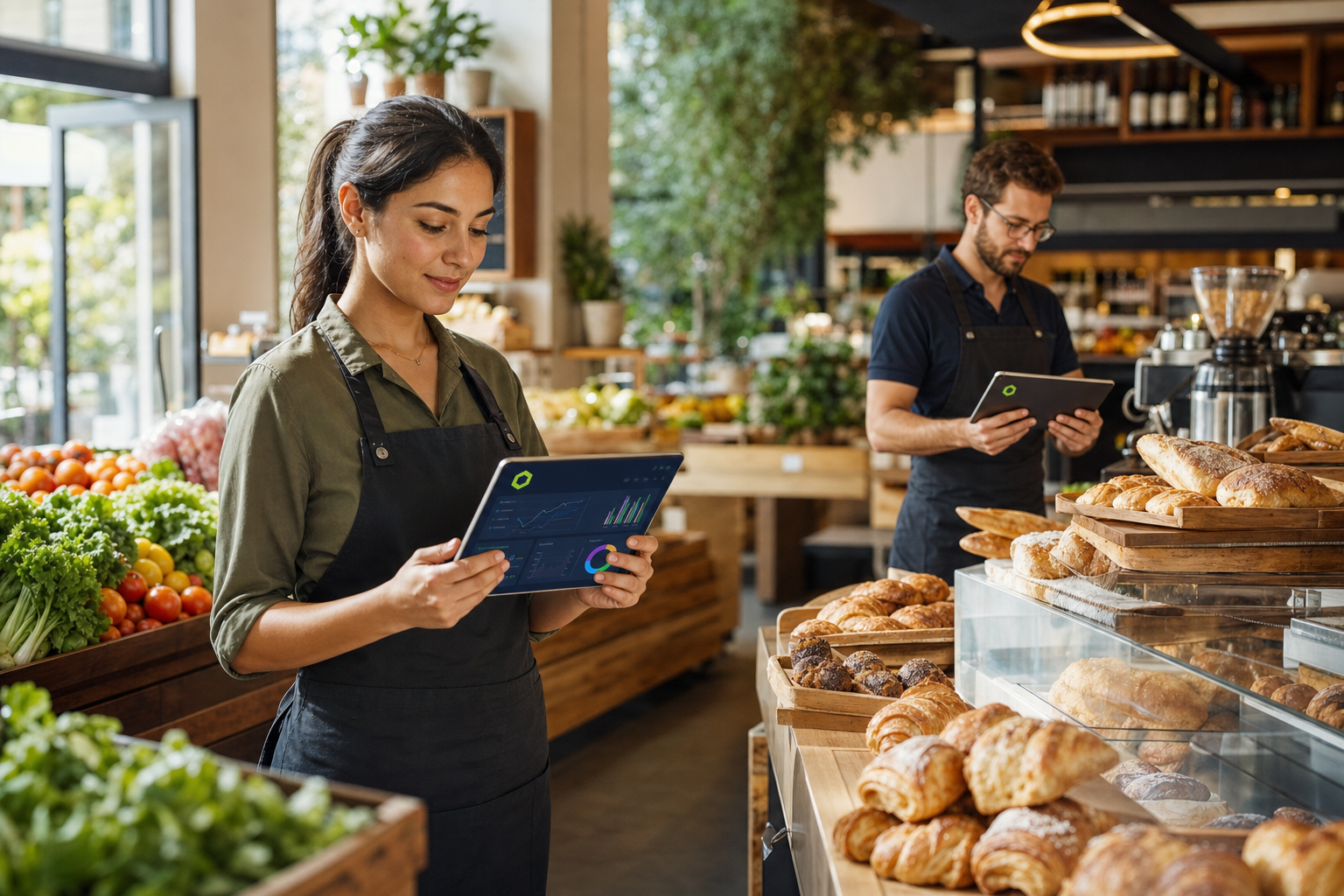
In-store bakery anchors the Bakery & Dessert Retail group—explore grocery prepared foods, deli, and grab-and-go on the same adaptive platform.
Retail Food Hub →
Hot bar and prepared foods departments share foot traffic patterns—prepared foods govern batch-to-case holding; bakery governs oven schedule and display sell-through.
Grocery Prepared Foods →Restaurant Bakery serves tickets and café guests; in-store bakery bakes for the retail case—different rhythm, same platform when you operate both. Dessert & Pastry Retail extends sweet case merchandising; plant supply stays in Snack & Bakery Manufacturers.
Retail Food Family
See how MiseCentral adapts to your bake schedule, your display case, and where your bakery program is headed next.
Retail Food Hub Restaurant Bakery Snack & Bakery Manufacturers Grocery Prepared Foods Capabilities Contact
