Outlet demand fragmentation
Each location reports par needs differently—production sized to aggregate guesswork while individual units 86 or over-order locally.

Central Kitchens — Coordination
Central kitchens feed owned outlets, brands, properties, and internal programs from one governed production facility—not external customer POs or event BEOs. MiseCentral adapts to how your team actually coordinates multi-location production: outlet demand, par review, batch planning, scheduling, quality release, route staging, and outlet handoff. One Kitchen, Many Outlets.

Wednesday's production plan covers eighteen owned locations—fast casual, fine dining, and two hotel property outlets. Location 7 reported a par override at 9 PM; Location 12 sold through protein by lunch Tuesday but the central kitchen batch was sized to last week's forecast. The sauce batch for Brand A finished on schedule, but Route 3 departed before Location 14's allergen-segregated components were loaded. Outlet GMs each text demand changes; production still pulls from a spreadsheet that lagged yesterday's POS. When outlet demand, batch planning, and route staging run on disconnected tools, 86 events at the unit and silent overproduction at the kitchen compound—and the COO learns about variance from a weekly email, not Company Brain.
Operational Challenges
These are multi-location production realities—not software gaps. Central kitchens coordinate owned outlet fulfillment with batch governance—not outlet tickets, external customer POs, or event logistics alone.
Each location reports par needs differently—production sized to aggregate guesswork while individual units 86 or over-order locally.
Multi-brand operators carry different menu sets per concept—central kitchen pars don't reflect which SKUs each outlet actually sells through.
Lunch rush at Location 3 and dinner prep for Location 9 share the same kettle—schedule built for kitchen convenience, not outlet service windows.
Same base sauce scaled differently per batch—outlet plate consistency drifts because formulation versions never reached the production line.
Protein lot allocated to Location batch and property outlet batch simultaneously—staging discovers the conflict at 4 AM, not during planning.
CCP logs complete at production; temp custody breaks between kitchen release and outlet receiving—audit trail gaps at handoff.
Location-specific labels and allergen declarations—wrong case on Route 2 discovered when the unit manager opens the walk-in.
Multiple depots, staggered departure windows, and property access rules—load sheets built manually while drivers wait at the dock.
Hotel or resort outlets on property share central production—banquet surges and outlet pars compete without shared capacity visibility.
Giveaway on high-volume bases erodes margin—no tie between batch yield and which outlets received oversized portions.
COO compares outlet food cost without central kitchen production cost in the same view—variance attributed to units, not batch planning.
Owner learns central kitchen labor and waste spiked from batch oversizing—not when forecast error exceeded threshold three days running.
Central Kitchen Lifecycle
The operational journey of central kitchen production—and how the platform keeps outlet demand, batch execution, and internal fulfillment synchronized. Unlike Commissaries, which serves external customers and programs, central kitchens govern production for owned outlets and internal operations. Unlike Restaurants, which centers outlet service execution, central kitchens own batch planning and release before product reaches the unit.
POS trends, manual overrides, property outlet needs, and brand-specific SKU demand—each location's requirements captured before batch authorization. Revisions after cutoff trigger replan, not texts to the production manager at midnight.
One Kitchen, Many Outlets starts with demand the central kitchen can actually fulfill—not yesterday's aggregate spreadsheet.
Location pars, walk-in counts, and forecast adjustments—operations director approves production volume before batch sheets generate. Over-order patterns flagged when Location 7 consistently requests 20% above usage.
Inventory at the central kitchen and receiving at outlets share one par picture—not separate unit systems.
Shared kettles, combi ovens, and prep lines scheduled against outlet open times and brand requirements. Scheduling and Production align before ingredients are staged.
Unlike Commissaries, batch planning optimizes owned outlet fulfillment—not external customer PO windows.
Pick lists tied to work orders—allergen-segregated paths for concept-specific SKUs, FEFO discipline, and lot custody before production start. Partial picks block batch authorization until allocation reconciles.
Prep components staged against outlet-specific batch requirements—not generic commissary pulls.
Work orders, step completion, and in-process weights—central kitchen manager sees batch progress against route departure schedule. Recipe versions locked at run start; scale factors applied from approved formulation.
Production governs throughput—outlet line cooks execute service; they do not replan central batches mid-rush.
Temperature, hold times, and in-process checks—HACCP records tied to batch and destination route. Holds block pack and staging until QA disposition. Release readiness documented before product leaves the kitchen.
Quality follows product to outlet handoff—not only the production line.
Case labels, allergen declarations, and best-by dates by destination outlet—pack lines verified against route load sheet before pallet build. Mislabel risk caught at authorization, not at unit receiving.
Location-specific labeling distinguishes central kitchen fulfillment from commissary customer PO lines.
Route assignment, cold and hot custody timers, and load verification—staging authorized against released batches only. Multiple brands on shared routes segregated per load sheet requirements.
Internal distribution staging—not wholesale logistics or catering load-out to external venues.
Receiving verification, temp logs at delivery, and par replenishment confirmation—handoff completes the batch chain from central kitchen to outlet walk-in. Late delivery flagged against unit open time before service starts.
Outlet service execution stays in Restaurant”central kitchen owns everything through receiving confirmation.
Actual vs planned production by outlet, route on-time performance, and batch yield—operations director reviews before next planning cycle. Company Brain surfaces locations with chronic par override patterns.
Reporting connects central kitchen cost to outlet performance—not siloed P&Ls.
Second central kitchen, new brand launch, or property portfolio expansion—Business Review suggests Multi-Location depth, scheduling intelligence, and Company Brain with evidence. Your business data stays yours.
Coordination is proven across outlet cycles—not heroics when Location 12 texts a par change at 10 PM.
Core Capabilities
Turn on what you need today. Add multi-location depth, scheduling intelligence, and Company Brain as your outlet network grows—without starting over.
Outlet-driven prep lists and component batches—scaled from approved recipes before production authorization.
Learn More →Production crew, equipment windows, and route departures aligned to outlet service times—not kitchen habit alone.
Learn More →Central kitchen pars, RM lot allocation, and outlet receiving—one inventory picture across the network.
Learn More →Compare outlet demand, production cost, and fulfillment accuracy location to location—fair rollup for the COO.
Learn More →HACCP checkpoints, hold/release, and temp custody from batch through outlet handoff.
Learn More →Yield, route performance, outlet variance, and central kitchen margin—by brand, location, and batch.
Learn More →Guidance as you add outlets, brands, and kitchens—what to enable next, always with an explanation why.
Learn More →Operational intelligence across par drift, batch variance, and route risk—with evidence before you act.
Learn More →Central kitchens run on governed batch execution for owned outlets—not outlet ticket queues scaled up. Production carries work orders, batch planning, yield tracking, and release coordination across every location your kitchen feeds. It connects outlet demand intake to what staging pulled, what QA cleared, and what each route delivered before service. Batch sizes reflect par-approved volume; variance review feeds the next planning cycle—not static weekly templates. Prep and Scheduling align before the run starts; Inventory lot allocation prevents double-booking protein across outlet batches. Multi-Location rollup gives the COO central kitchen cost beside outlet food cost in one review. Company Brain recommends par buffer adjustments when Location 7 chronically overrides forecast by 18%”and explains why before the next production authorization. Reporting closes the loop for operators who need network-wide production visibility, not unit spreadsheets alone.
Learn More →Operational Models
Central kitchen operators combine fast casual, fine dining, ghost brands, and property outlets. MiseCentral composes around all of them at once.
One operator may feed twelve fast-casual units, three hotel outlets, and four ghost brands”all from Tuesday's batch plan. The platform adapts to each model without separate systems per concept.
Workspace Examples
One Business Profile creates the workspace each person needs—from owner to central kitchen manager, scheduler, QA, and multi-location operations.
Company Brain
Company Brain learns from your real multi-location operation—par drift, batch variance, route performance, and outlet fulfillment accuracy. It recommends; your team decides. Every suggestion includes the why. It's Not Artificial. It's Adaptive.™
 Company Brain
Growth Journey
From your first central kitchen feeding a handful of units to a regional multi-brand network—MiseCentral stays with you. Business Review suggests what to enable at each stage, and always explains why.
One platform. No migration. Your team keeps the workflows they already trust.
Business Review notices outlet par chaos and suggests Production with Multi-Location”outlet demand connected to batch authorization before staging.
When ghost brands and fast casual share the kitchen, Review recommends Scheduling and Prep depth—allergen paths and equipment windows by concept.
Hotel outlets on property? Review guides banquet overlay intake into central kitchen planning—not separate property spreadsheets.
Second central kitchen or commissary for external programs? Review connects to Commissaries when external customer volume warrants—same platform, clear operational boundary.
Industry Ecosystem
Central kitchens intersect restaurant multi-unit growth, property outlets, and commissary scale-up—cross-link where your network overlaps without duplicating outlet service or external customer workflows.

External customers, airline programs, and co-pack tenants—commissaries govern multi-customer throughput. Central kitchens feed owned outlets and internal brands only.
Commissaries →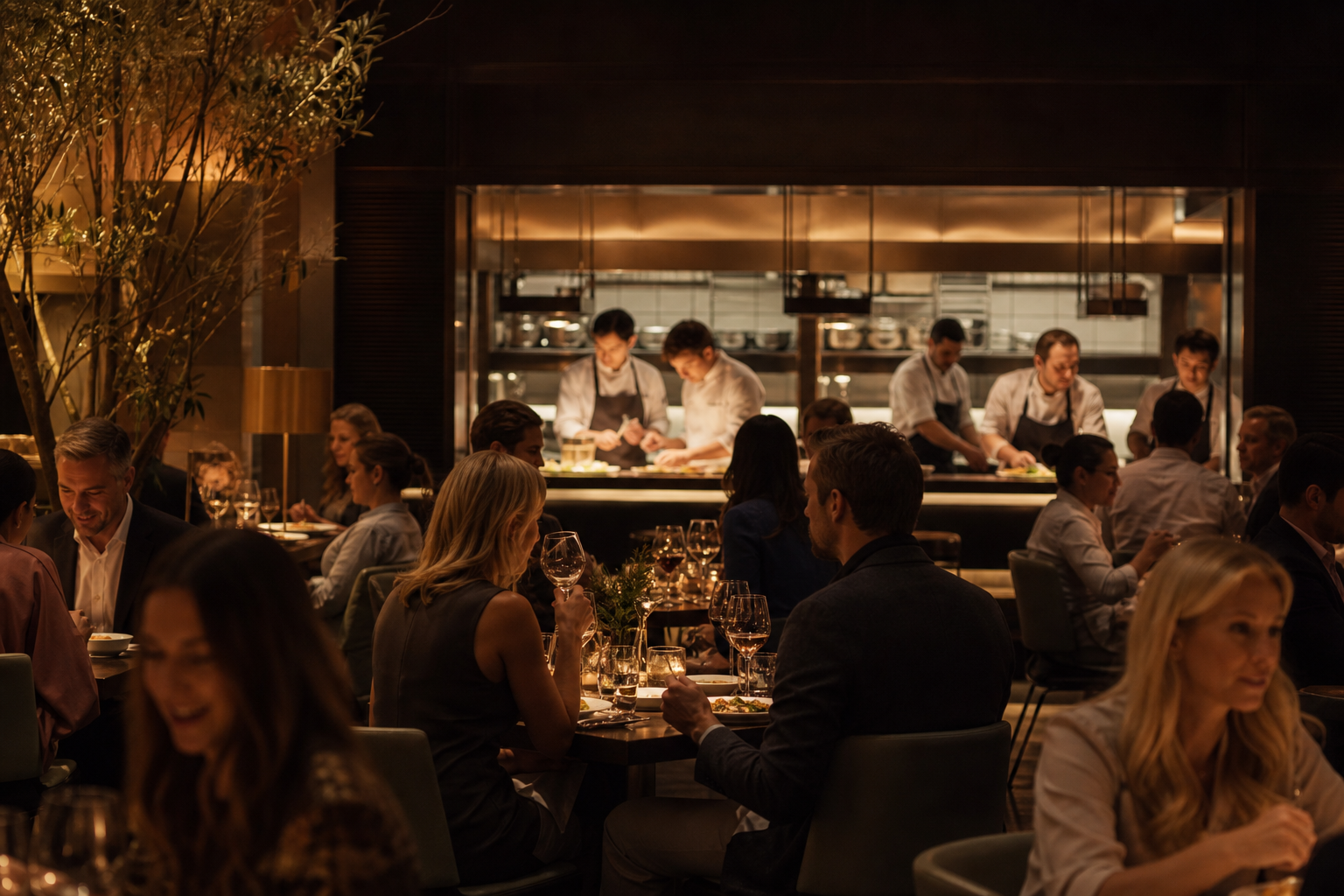
Outlet service, tickets, and guest execution stay in Restaurant—central kitchen owns batch planning and release before product reaches the unit.
Restaurant Hub — Ghost Kitchen
Restaurants →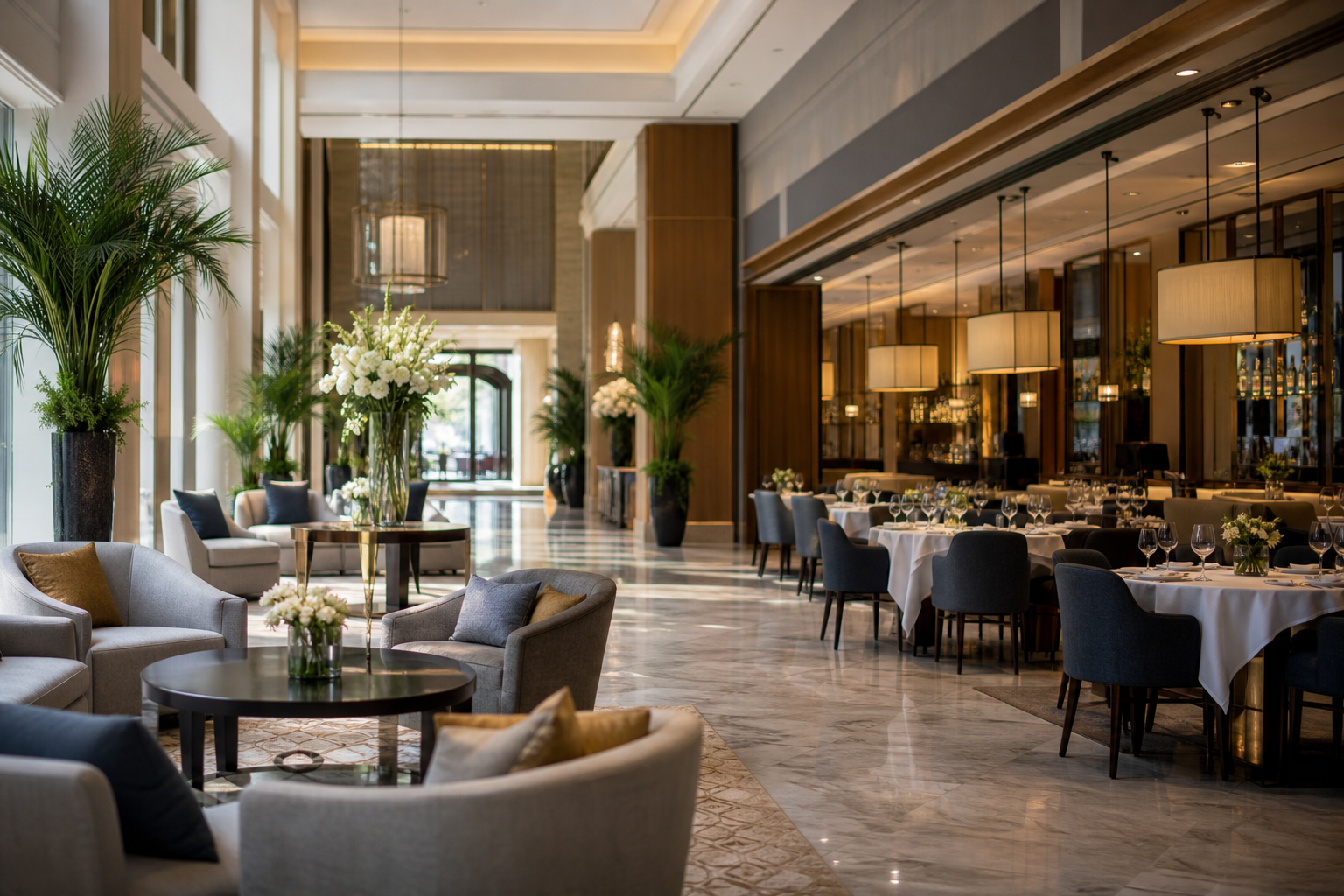
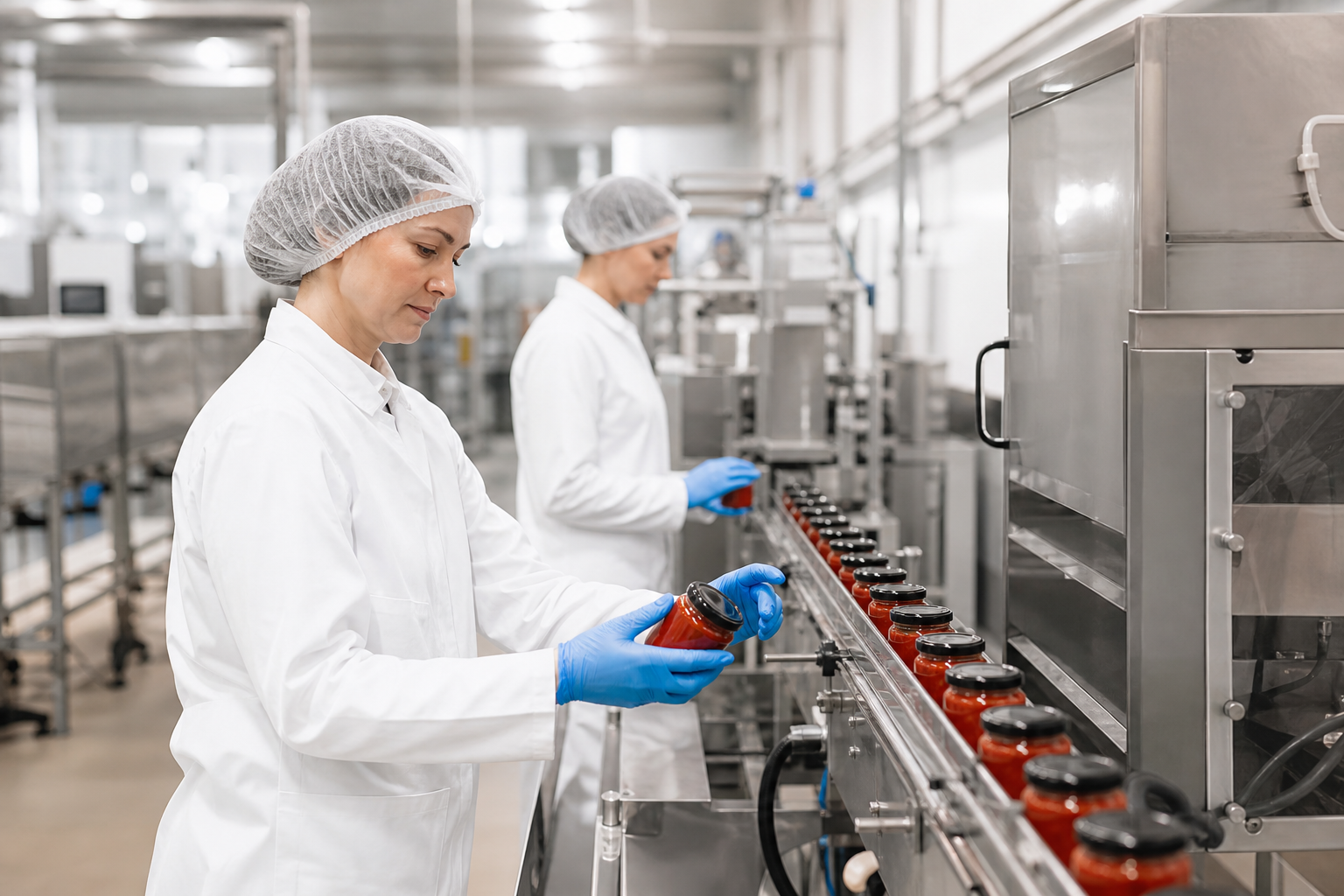
Central kitchens anchor the Central Production group with commissaries—explore the food production section for manufacturing and specialty lines.
Production Hub →Catering execution for off-premise events stays in Catering & Events”when your central kitchen supplies a meal program route, see Meal Delivery for client-facing logistics; batch governance remains here.
Production Family
See how MiseCentral adapts to your outlets, your batches, and where your network is headed next.
Production Hub Commissaries Ghost Kitchen Capabilities Contact
